metaCCAZE and MOVE21 Partners Exchange on Sustainable Urban Logistics in Gothenburg

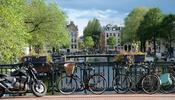
Image by Unsplash
The metaCCAZE project, aims to revolutionise mobility in European cities, serving both passengers and freight, with innovative electric, automated and connected solutions designed to make transportation smarter, net zero and more efficient for all. As part of the initiative, one of its 44 partners is regularly invited to offer a unique perspective on implementing smart systems for electric, automated and connected mobility in European cities.
This exchange saw representatives from the City of Munich and partners from the European project MOVE21 enjoy a productive visit to the Business Region within the City of Gothenburg. This two-day visit offered partners a valuable opportunity to explore innovative urban mobility solutions and sustainable logistics strategies. The exchange included a tour of the Mobility Hotel in Nordstan, a key part of the MOVE21 project, hwich serves as a model for the integratio of sustainable transport solutions in urban areas.
The visit feautred three key site visists that allowed for participants to gain a deeper understanding of the challenges and solutions related to cargo bike logistics and micromobility. These visits included:
- Ahlsell’s unmanned self-service store in the Mobility Hotel;
- Velove: a bike manufacturer and logistics company;
- One of Bravida’s “GreenHubs,” where facility maintenance services rely solely on bike logistics and e-scooters.
Key Takeaways for metaCCAZE:
The exchange provided valuable lessons that will help in shaping the future of the metaCCAZE multimodal bike logistics hub in Munich.
Key takeaways included:
- The exchange highlighted the importance of a comprehensive cluster analysis and strategic communication plan to identify key stakeholders, address missing actors, and develop effective engagement strategies;
- The importance of strong local partnerships, as their commitment goes beyond financial interests to genuine support for sustainable logistics;
- Cities must also consider policies that encourage sustainable logistics, priorisitng alternatives that make like make van and truck deliveries a second-choice option;
- Integrating business models and services is essential, bringing businesses and bike logistics providers together to explore opportunities for transformation, growth, and innovation.
- New business models for sustainable growth, such as joint ventures or public-private partnerships, are needed to ensure sustainable growth without relying on external funding.
Author: Lisa Marie Hanß