ULaaDS project pilots on-demand shared vehicles for deliveries in Groningen
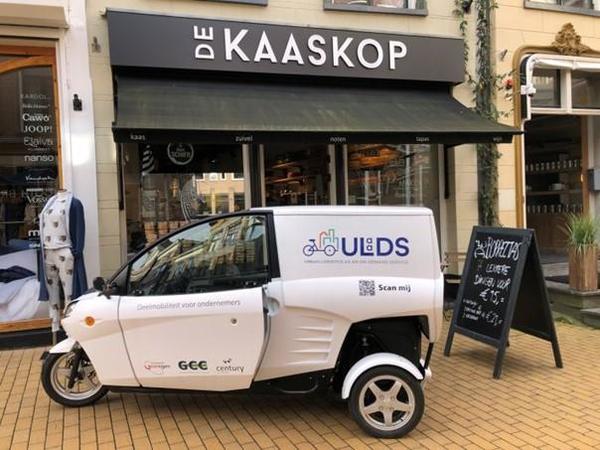
Image by Stefano Borgato
The city of Groningen, one of the largest cities in the Netherlands with around 500,000 residents, has changed over time from an agricultural hub to one primarily focused on government, education and healthcare sectors. This transformation has directly influenced the city's approach to sustainable urban mobility.
Since the late 1970s, Groningen has implemented measures to limit the circulation of private cars in the inner city and to simultaneously create more space for pedestrians and cyclists. The 2016 inner city plan, expanded approximately 20% extra space for cyclists and pedestrians. Logistics were also at the centre of the comprehensive approach to making the city more sustainable: in 2014, Groningen signed the national Green Deal Zero Emission City Logistics 2025 and in 2017 set up the Focus Group Sustainable Logistics Groningen, with representatives from all major stakeholders. After one year, all members signed the Covenant Sustainable Logistics Groningen, and in February 2020, the City Board signed the Draft Sustainable Urban Logistics Plan.
As part of its commitment to sustainability, the ULaaDS project, within the City of Groningen and the Groningen City Club joined forces to pilot a platform for shared zero-emission vehicles. This initiative aimed to support local shopkeepers and entrepreneurs by offering access to a variety of “clean” vehicles, including cargo bikes, light electric freight vehicles, and an electric van. These vehicles could then be used for supplying the shops and/or delivering to customers within the city or in the surrounding areas.
The main purpose of the pilot:
- Transition to zero-emission vehicles as regulations become stricter.
- Increase vehicle efficiency and promote the use of cargo bikes.
- Offer more businesses the opportunity to test and adopt electric vehicles.
- Enhance city liveability by reducing emissions and traffic congestion.
During the pilot, the ULaaDS Local Forum thoroughly assisted the local actors meet evolving regulatory frameworks of Groningen, which includes the extension of the existing time-access restriction zone (freight vehicles allowed 5 am to 12 pm, or alternative through a waiver for which all zero-emission vehicles qualify for) which will eventually become a zero-emission zone by 2025. As many local shopkeepers and entrepreneurs would not be financially ready to invest in a new vehicle, their access to the city would be hampered. The platform provided an essential service; the use of shared electric vehicles to maintain access to the city and also to practically demonstrate how these vehicles could be used in logistics operations.
Seven shopkeepers participated in the trial, using the vehicles for various logistical needs and purposes. The electric van was the most frequently used vehicle, covering approximately 7,000km during the pilot.
The Groningen pilot yielded crucial lessons for cities and stakeholders looking to replicate similar urban logistics and delivery solutions, such as:
- Platform Functionality: A user-friendly platform offering real-time vehicle availability and a seamless booking process was essential for success.
- Strategic Vehicle Placement: Vehicles must be allocated to convenient locations to ensure ease of access and encourage usage.
- Financial Viability: A balanced pricing model was fundamental, taking into account factors like costs, distance, usage time and demand fluctuations.
Strong partnerships with mobility service providers, local authorities, and business associations played an important role in addressing regulatory aspects and infrastructure challenges. The active engagement of local shopkeepers enabled the platform's success, emphasising their role as both users and beneficiaries. The strong stakeholder engagement also allowed the municipality to gain important insights into the need for strategic vehicle placement as the location of the different vehicles impacted their usage in the trial.
The timing of the pilot—which coincided with the extension of the time-access restriction zone—demonstrated that shared zero-emission vehicles can be a practical and effective solution for businesses facing new regulatory challenges. Additionally, empirical data from the pilot strongly indicated an increased willingness among businesses to explore the use of shared electric vehicles for their deliveries to comply with the new regulations and in general, towards more sustainable urban logistics operations.
Author: TRT TRASPORTI E TERRITORIO