Miskolc's new multimodal hub comes into action, making transfers easier from bus to bike and beyond
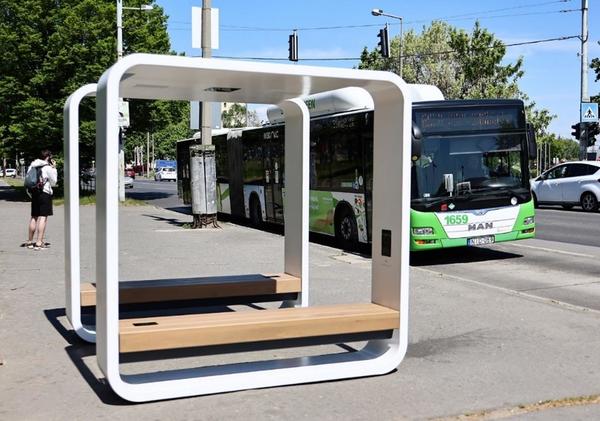
Image by Remoted
As part of metaCCAZE, Miskolc, one of the largest cities in eastern Hungary, has launched an innovative multimodal passenger hub at Tapolca elágazás (Tapolca junction). The location is a key gateway between the city centre and the popular Miskolctapolca area, renowned for its unique cave bath and strong tourism appeal. With high passenger volumes and a strategic position, the junction offers a valuable opportunity to make switching between transport modes simpler for residents and visitors alike.
The launch of the multimodal hub at Tapolca junction comes at a critical moment for Miskolc, as cities across Europe accelerate efforts to reduce congestion, cut emissions and make everyday mobility more user-friendly. In Miskolc, rising tourism flows to the Miskolctapolca area, combined with high commuter traffic at this key junction, have highlighted the need for smoother, more efficient transfers between transport modes. At the same time, the rapid emergence of micromobility solutions and digital mobility services creates an opportunity to rethink how people move through the city.
From changing vehicles to smooth, supported transfers
Unlike traditional hubs that operate as separate systems, the multimodal hub in Miskolc is designed to support seamless transfers between public transport and micromobility, helping passengers complete first- and last-mile connections with less friction.
The hub combines physical and digital elements to make multimodal travel more practical and attractive. It features bike racks and urban furniture, USB charging options, a solar-powered setup, an internet hotspot, and a digital passenger information display that also provides environmental information, including temperature, air quality, humidity, air pressure and UV levels.
Together, these elements aim to improve the everyday transfer experience and encourage more trips to shift from private cars to sustainable modes such as bus, tram, bike and e-scooter.
The hub was developed through a joint effort. MVK, Miskolc's public transport operator, is responsible for the bus and tram infrastructure; HC Linear, the service provider, leads the integration, testing and operation of the digital systems; and the Budapest University of Technology and Economics (BME) supported the planning process and proposed additional features.
According to János Juhász, Service and Technical Director at MVK:
"The main innovation of the hub is the transformation of this location into a multimodal hub through the integration of micromobility and digital services. This location was selected because of its high passenger volumes and strategic position, which creates strong potential for users to adopt micromobility for first- and last-mile connectivity."
A visible signal of change: the Kuube smart bench
One of the first visible elements of the development is a Kuube-branded smart bench, designed to make public space more useful and connected. The bench provides free Wi-Fi and wireless and USB-C fast charging for mobile devices. An integrated display provides real-time information on environmental factors, including temperature, air quality, humidity, air pressure and UV levels. Solar panels power the system, and after dark, mood lighting supports both safety and the overall look and feel of the area.
As Tamás Móricz, Commercial Director of HC Linear Ltd, explains:
"The deployment of environmental data monitoring creates a unique digital infrastructure that connects the visual information system with specific data sources. The developments carried out within the current project support the transformation of transport into Mobility as a Service (MaaS)."
Next steps
The longer-term goal is to fully integrate micromobility options, such as e-scooters and bicycles, into Miskolc's mobility network. The hub will be further strengthened with vehicle storage facilities, supporting its role as a complete transfer point that connects different modes and improves the traveller experience.
Find out nore about metaCCAZE Follower City, Miskolc.
Author: Lisa Marie Hanß