Zaragoza Pilot Demonstrates Smarter, Cleaner and More Collaborative Urban Logistics
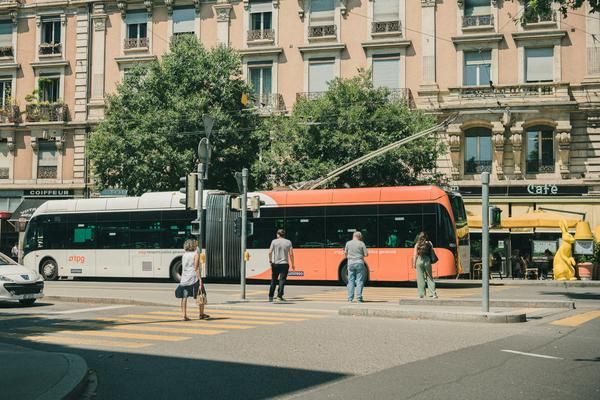
Image from Unsplash
With a population of over 675,301 in the city and 741,000 in thegreater metropolitan area, Zaragoza offers the ideal testing ground for forward-thinking solutions in urban logistics efficiency and sustainability. Spanning more than 970 square kilometres, the city has become a key pilot location for the SENATOR project, aiming to reshape last-mile delivery through smarter, clean, and more collaborative data-driven logistics.
The Zaragoza pilot was set with a clear mission: reduce emissions, ease traffic congestion, and streamline last-mile delivery, without comprimising high-quality service for consumers and local retailers. To achieve this, Zaragoza focused its pilot on route optimization, local and regional market consolidation, network balancing, and smart management of loading bays.
Data-driven Logistics Approach
At the core of Zaragoza’s success was the SENATOR algorithm — an advanced smart network operator system designed to:
- Optimize route-planning;
- Facilitate load consolidation across operators;
- Support real-time, data-informed decision-making for logistics providers.
The pilot brought together a range of stakeholders, including Correos and Correos Express, whose shipment data were integrated to test collaborative delivery models. By applying advanced AI-driven optimisation algorithms, and predictive analytics, the system dynamically rebalanced delivery routes, adjusted loading bay assignments, and planned shipments based on real-time conditions.
Concrete Results with Measurable Impact
In one real-world scenario, the SENATOR algorithm reduced the total distance travelled by delivery vehicles by up to 32%, translating into:
- Lower CO₂ emissions;
- Reduced fuel consumption;
- Tangible cost savings for operators.
The pilot also successfully tested cross-docking and real-time pick-up integration, including for temperature-sensitive goods like refrigerated market products—proving that even complex urban deliveries can be streamlined through collaboration and smart planning.
Markets as Micro-Hubs: Local Solutions with Scalable Potential
A standout feature of the pilot was its integration with Zaragoza’s San Vicente de Paul Market, which served as a central shipment consolidation hub. This reduced the number of individual trips to customers while showcasing the power of using existing municipal infrastructure to support smarter urban freight.
Even though e-commerce volumes from the city's Mercadeando platform were still modest, the pilot highlighted strong potential to scale this model. As more small retailers move online, this market-integrated approach could be a game-changer for sustainable local delivery ecosystems.
Towards a Collaborative Urban Freight Future
Zaragoza’s SENATOR pilot demonstrates that smarter urban logistics isn’t just possible—it’s already happening. By combining advanced algorithms, public-private collaboration, and strategic use of local infrastructure, the pilot offers a compelling blueprint for other European cities seeking to reduce emissions, cut congestion, and improve the efficiency of last-mile delivery.
Learn more about SENATOR and its valuable outcomes on the project website here.
Author: TRT TRASPORTI E TERRITORIO