Thessaloniki URBANE Pilot: Multi-actor collaboration and PI-inspired last-mile delivery solutions
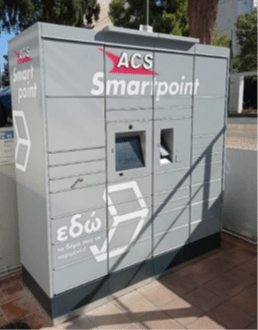
Image by TRT
The Thessaloniki agglomeration, situated in Northern Greece, is the country’s second-largest urban area. It is home to 1,106,730 residents in its greater area, with approximately 300,000 living within the municipality itself.
Two key types of logistics operations are currently emerging in Thessaloniki:
- The management of regional logistics
- The management of conventional last-mile deliveries
As one of the 100 EU Mission climate-neutral and smart cities, Thessaloniki has prioritised testing new tools for integrated infrastructure planning and adopting innovative solutions for green and shared operations in urban logistics. Committed to becoming a zero-emission city by 2030, Thessaloniki joined the URBANE project to rethink and restructure last-mile delivery operations within its boundaries.
Two Groundbreaking Use Cases:
- The deployment of micro-hubs (automated parcel lockers) throughout the city
- The simulation of Physical Internet (PI)-inspired, green last-mile solutions using Digital Twin (DT) technology
Key measures included:
- Route optimisation
- Stakeholder collaboration
- Blockchain-based tracking
- User-centric logistics services
Together, these actions resulted in reduced CO₂ emissions, lower transportation costs, and improved logistics efficiency, supporting the city’s 2030 climate goals.
Laying the Groundwork with Real-World Data
The pilot began by collecting real-world logistics data, user insights, and geographic-socioeconomic analysis to identify both pain points and opportunities in Thessaloniki’s last-mile delivery system. Collaborating with Associated Courier Services (ACS), the project gathered operational data to map parcel flows, measure delivery times and emissions, and assess citizen preferences through structured surveys.
Smart Lockers: A Local Innovation with Scalable Impact
One standout innovation was the strategic placement and expansion of smart parcel lockers across the city. These lockers allowed consumers and businesses to access packages at their convenience, reducing repeated delivery trips. A Digital Twin–informed location model ensured that lockers were placed in optimal positions—close enough for accessibility, yet broad enough to serve multiple neighbourhoods efficiently.
Thessaloniki also integrated blockchain technology into its locker system, enabling secure, transparent parcel tracking. This improved reliability for users and laid the foundation for a future "last-mile delivery marketplace", where lockers can be shared across multiple logistics providers rather than restricted to single companies.
Environmental and Economic Wins
Through this collaborative experiment, Thessaloniki achieved CO₂ reductions per parcel by optimising routes and increasing locker use. The pilot also brought labour and transport cost savings, reinforcing its potential for both environmental and economic sustainability.
Public reception was notably positive—particularly when locker use was free or within short walking distance. Insights from surveys and logistics analysis revealed that proximity and affordability are key drivers for the adoption of sustainable delivery services.
Key Takeaways for Future Urban Logistics
The Thessaloniki pilot provided several lessons for future urban logistics efforts:
- Stakeholder engagement and adaptability are crucial — ACS joined the locker alliance after recognising operational benefits, showing that aligned goals and governance can lead to successful collaboration.
- Blockchain can enhance transparency — without requiring major IT system overhauls.
- Strategic, data-driven locker placement is essential — using diverse inputs to optimise network performance.
- Traffic-aware dynamic routing improves fleet management — and a step-by-step implementation approach allows innovations to be assessed gradually and effectively.
A Blueprint for Systemic Change
Thessaloniki’s participation in URBANE has done more than improve last-mile logistics—it has sparked systemic change. By combining Physical Internet principles, Digital Twin simulations, and collaborative business models, the city has created a template for others to follow.
These lessons will help guide future expansions in Thessaloniki and serve as inspiration for other European cities seeking to harmonise economic vitality with environmental sustainability on the path to zero emissions.
Author: TRT TRASPORTI E TERRITORIO