metaCCAZE Reflects on Ethics in Mobility Projects
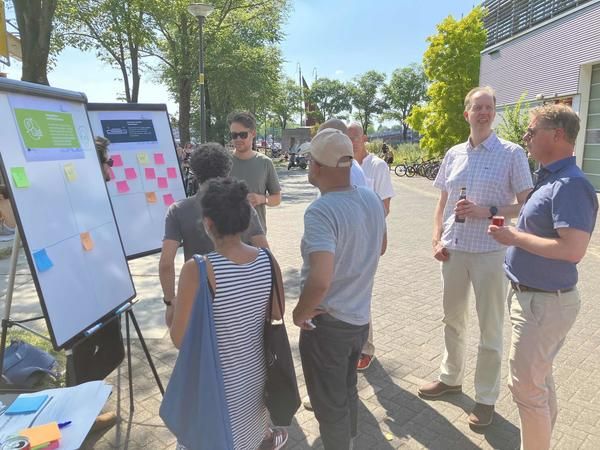
Image by Lisa Marie Hanß
The metaCCAZE project, aims to revolutionise mobility in European cities, serving both passengers and freight, with innovative electric, automated and connected solutions designed to make transportation smarter, net zero and more efficient for all. As part of the initiative, one of its 44 partners is regularly invited to offer a unique perspective on implementing smart systems for electric, automated and connected mobility in European cities.
This month, Daniel Scheerooren, Living Lab Coordinator and Project Manager at the AMS Institute shares his thoughts on how Amsterdam integrates an "ethical reflection" into all projects involving digital or data components.
A Value-driven approach to mobility:
“We often take mobility for granted and view it as a basic right,” begins Scheerooren. “However, the political choices behind our mobility systems and the technologies that support them are rarely as inclusive, transparent, or controlled as we might think.”
In Amsterdam, all projects with a digital or data component undergo an “ethical reflection” process. This approach is a key part of the Amsterdam Digital City Agenda 2023-2026, marking a shift from a technology-driven mindset to a more value-driven approach. According to Scheerooren, the reflection considers not only how technology can address societal challenges but also whether a digital or data solution is even necessary. Sometimes, a non-digital approach may suffice.
The agenda aims to examine digital inclusion, transparency, privacy, safety issues, and the city’s role in setting a good example for the responsible use of digital technologies.
For Scheerooren, the goal of the AMS Institute's living lab is to reduce mobility's carbon footprint, alleviate its impact on public space and make it safer and more efficient for everyone. With the best of intentions, the project collaborates with a diverse group of partners, many of whom are not driven by commercial interests.
However, to his surprise, some values scored “insufficient” in the evaluation, prompting him to reflect more critically. While he was able to address some concerns, Scheerooren admits that the city's points were valid and worth considering.
To read the full article, visit the metaCCAZE website.
Author: Lisa Marie Hanß