Living Labs: Co-Creating the Future of Urban Mobility
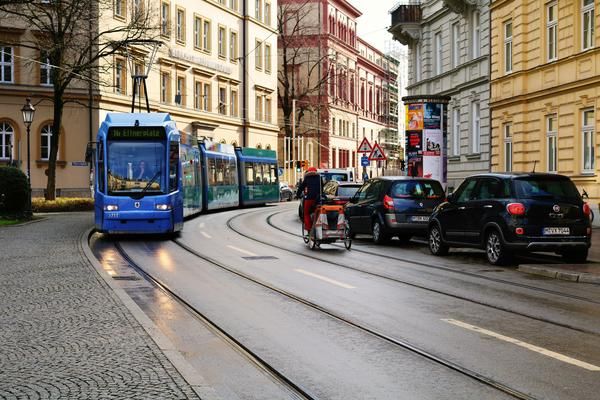
Image by Unsplash
The metaCCAZE project, aims to revolutionise mobility across European cities, serving both passengers and freight, with innovative electric, automated and connected solutions designed to make transportation smarter, net zero and more efficient for all. As part of the initiative, one of its 44 partners is regularly invited to offer a unique perspective on implementing smart systems for electric, automated and connected mobility in European cities.
This month, Lamprini Papafoti and Catarina Sales, mobility consultants at FACTUAL, explore how a Living Lab Approach is helping cities to co-design mobility solutions that directly address the needs of residents and local communities.
What is a Living Lab?
A Living Lab is an “open innovation ecosystem that involves users in research and development within a real-life context” (Leminen et al., 2012). These collaborative spaces bring together citizens, businesses, public authorities and researchers to co-design solutions to real-world urban challenges.
Why Are Living Labs Important?
Living Labs can range from small street-level experiments to neighbourhood or city-wide initiatives, providing a dynamic space for experimenting with mobility solutions in real-world settings. They enable researchers to test innovations in authentic environments, allowing cities to design citizen-centered solutions that align with public policy goals and while ensuring community acceptance.
Building the foundations of a Successful Living Lab:
- Stakeholder Engagement
Identifying and engaging stakeholders is essential. This includes local authorities, businesses, NGOs, and citizens. Stakeholder maps help categorise participants based on influence and importance, enabling more effective engagement strategies. - Citizen-Centered Collaboration
Unlike traditional pilots, Living Labs emphasize the active involvement of citizens. Their input helps tailor solutions to real needs. Special focus should be placed on including marginalised groups, such as low-income individuals, older adults, and disabled people, to ensure equitable and accessible outcomes. - Co-Creation and Participatory Design
Collaboration is at the core of Living Labs. Participatory design methods, such as workshops, focus groups, and surveys, enable stakeholders to co-develop, test, and refine innovative solutions. Hybrid formats (in-person and online) can broaden participation. - Communication Strategies for Impact
Clear, inclusive, and engaging communication is vital. Tailor messages for different stakeholders, use diverse channels such as social media and newsletters, and ensure materials are accessible. Effective communication can also drive sustainable behaviour changes. - Monitoring, Evaluation, and Sustainability
Continuous evaluation is key to assessing impact. Define clear Key Performance Indicators (KPIs) aligned with project goals, such as changes in travel patterns or reductions in carbon emissions. Foster long-term success by involving the community in decision-making and embedding Living Lab activities into local policies.
Living Labs, like the Trailblazer Living Labs, led by FACTUAL in the metaCCAZE project, provide a unique platform for testing and scaling innovative mobility solutions. By fostering collaboration, inclusivity, and real-world experimentation, Living Labs can address local challenges while driving sustainable, citizen-centered change in European cities.
Want to learn more about metaCCAZE Living Labs? Get in touch with us!
lamprini [at] factual-consulting [dot] com ( )
catarina [at] factual-consulting [dot] com
Author: Lisa Marie Hanß