Behind the Scenes in Bruges: Sustainable Urban Logistics at the Heart of the CIVITAS Study Visit
Replication & Deployment Programme
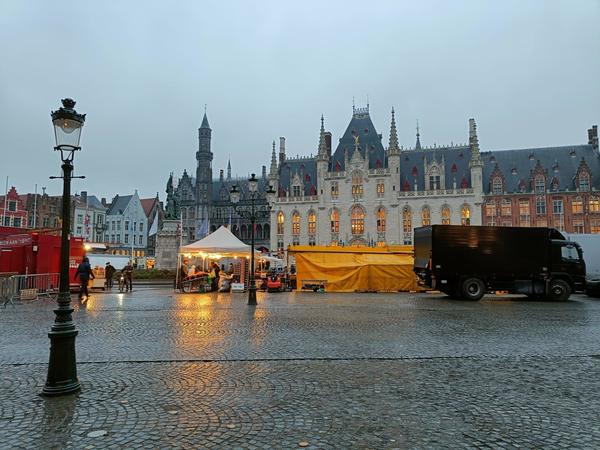
Image by Anne-Charlotte Trapp
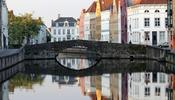
When you think of Bruges, images of romantic canals, medieval charm, and bustling cobbled streets might spring to mind. On certain days, this picturesque city welcomes over 80,000 visitors, all while quietly managing the complex demands of urban logistics. Hotels require fresh linen. Restaurants depend on daily deliveries of fresh produce. Local markets buzz with activity, such as the Wednesday central market. Ensuring all these moving parts operate smoothly—and sustainably—is no small feat.
From 21- 23 January 2023, Bruges hosted urban practitioners, experts, and city representatives for a study visit focused on transforming urban logistics to become more sustainable, efficient, and ultimately emission-free. Participants included representatives from Bologna, Gdynia, Grenoble, Funchal, and Mechelen, alongside experts from organisations such as City Hub, Rebel Group, and bpost. Together, they tackled the challenge of reimagining urban logistics to balance efficiency with sustainability.
The Path Towards a Sustainable Urban Logistics Plan
The three-day study visit focused on co-creation workshops and collaborative discussions, bringing Bruges closer to the development of its Sustainable Urban Logistics Plan (SULP). This comprehensive strategy aims to address the unique logistics challenges faced by the city while aligning with broader sustainability goals.
Key themes that emerged during the workshops included:
- Collaborative Engagement: The importance of strong involvement from logistics players, citizens, business owners, and other stakeholders to ensure a holistic approach.
- Understanding Supply Chains: Gaining deeper insights into contractor-supplier relationships and the flow of goods throughout the city.
- Data-Driven Decisions: Collecting and managing data on vehicle types, emissions, hazards, and delivery flows to enable informed decision-making.
- Sector-Specific Solutions: Addressing the diverse needs of sectors such as parcel delivery, HORECA (hotels, restaurants, cafés), and construction to create tailored strategies.
- Actionable Ideas: Translating sector-specific challenges into feasible, impactful initiatives.
Hub-Based Solutions: A Central Focus
The role of logistics hubs sparked lively discussions during the visit, with participants sharing best practices and lessons learned:
- Local authorities can play a key role in identifying inefficiencies in delivery chains and exploring where hubs could reduce costs, externalise storage, and enable more volume-based shipping.
- Public funding is best suited for kickstarting projects, with a long-term vision for sustainability driven by private sector involvement.
- Strategic location is critical, and local governments can support this by identifying and securing (temporary) sites.
Inspiration Across Borders
This visit also provided an opportunity for participants to reflect on the progress made since the previous CIVITAS study visit in Funchal, Madeira, just two months prior. Encouragingly, the ideas discussed there have already gained traction. For instance, plans to pedestrianise the municipal market area, paired with prioritised delivery access, have garnered attention in local media and among political leaders.
Discover photos from the Study visit here!
Would you like to join the Replication and Deployment programme?
Interested in joining as a Challenge or Champion city in the second cycle of the programme? Follow us on social media (LinkedIn & X) and subscribe to our newsletter not to miss the call for applications that will be launched in the coming months!
Author: Anne-Charlotte Trapp