Image by Author
Espoo (Finland)
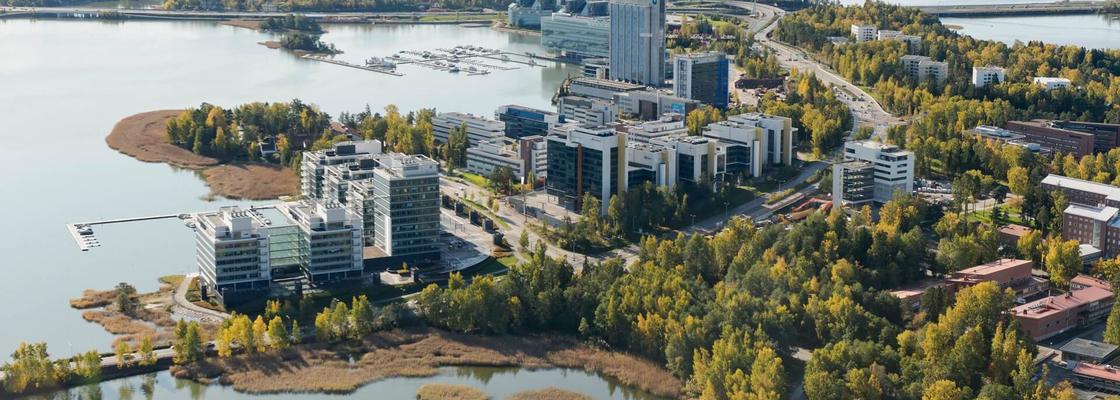
Espoo, Finland’s second-largest city, is a leader in sustainable urban mobility. Situated west of Helsinki, Espoo spans 528 km², with 41% covered by water, including a 58 km coastline and 165 islands. This diverse geography influences its decentralized urban structure, featuring five major centers: Leppävaara, Tapiola, Matinkylä, Espoon keskus, and Espoonlahti.
Espoo's commitment to sustainable transport is evident in its infrastructure. The Länsimetro extension, completed in 2022, connects Espoo to Helsinki via an underground metro line, enhancing regional connectivity. The city also participates in the Helsinki City Bikes program, offering 3,450 shared bicycles across 345 stations, promoting eco-friendly commuting. Additionally, the Raide-Jokeri light rail line, launched in 2024, provides an orbital connection between Espoo and eastern Helsinki, further supporting sustainable transit options.
Espoo's strategic planning, including the Espoo Master Plan 2060, emphasises sustainable growth and mobility. These initiatives aim to reduce car dependency and enhance the quality of urban life, positioning Espoo as a model for sustainable city development.
Fast Facts
Approximately 300,000 (2022)
Population
528 km²
Area